This article may contain affiliate links. If you buy through them, Living Beautifully Daily may earn a small commission at no extra cost to you. Learn more.
People shop for coffee vessels the way they shop for most kitchen goods, on looks first, and the material gets treated as an afterthought. But material governs heat retention, how a brew tastes as it sits, and even how easy a vessel is to clean well, which circles back into flavor on the next use. None of this is subjective preference. It comes down to how each material physically behaves.
Ceramic holds heat but takes a while to get there
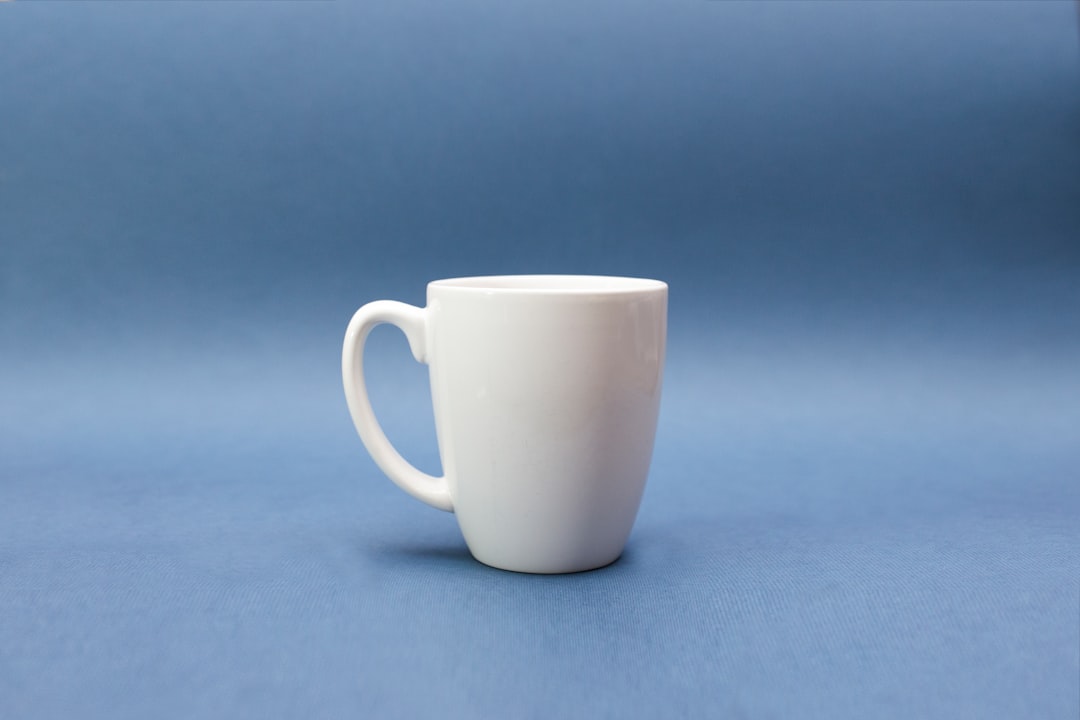
Ceramic is a poor conductor of heat compared to metal, which means it is slow to warm up and, once warm, slow to give that heat back to the surrounding air. Pour hot coffee into a cold ceramic mug and you will notice the drink drops in temperature faster in the first minute than it will over the next several, because the ceramic body is pulling heat out of the liquid to warm itself. This is why preheating a ceramic mug or teapot with hot water before brewing makes a real difference. Once the ceramic itself is warm, it holds that heat well and keeps a drink closer to serving temperature for longer than an unheated vessel of the same material would.
Ceramic is also nonporous when properly glazed, which means it does not absorb oils or flavor compounds the way some other materials do. A ceramic mug used only for black coffee will not carry over flavor if you switch to tea in it the next day, assuming the glaze is intact and it has been washed properly.
Glass shows you what is happening and cools faster
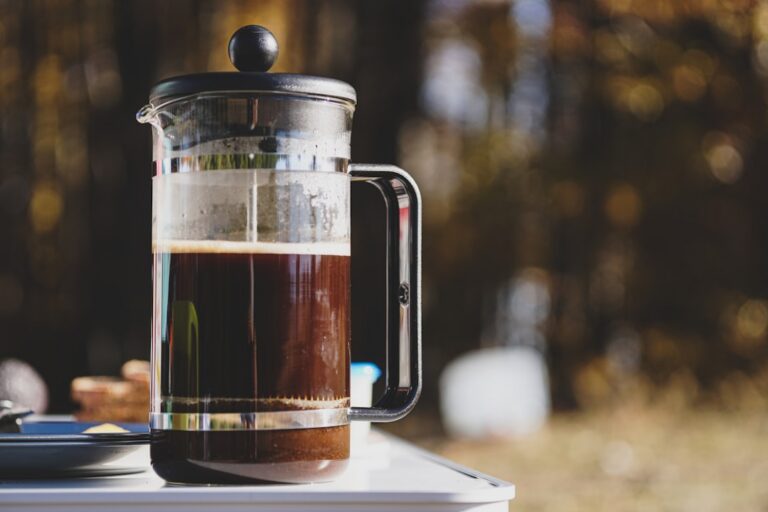
Glass is an even worse insulator than ceramic, so a drink in a glass vessel loses heat noticeably faster, which matters for anything meant to be sipped slowly over twenty minutes. Where glass earns its place on the table is in brewing methods where seeing the process matters, a pour-over dripper or a French press, because you can watch bloom, extraction color, and clarity in a way opaque materials do not allow. Borosilicate glass, the kind used in most quality pour-over and press equipment, handles rapid temperature changes without cracking the way ordinary glass can, so pouring boiling water into a cold borosilicate carafe is safe in a way it is not with a plain glass jar.
- Ceramic: slow to heat, holds heat well once warm, nonporous, best for sipping slowly
- Glass: fastest to cool, best for watching brew process, needs to be borosilicate for hot pours
- Stainless steel: fast to heat and cool, does not retain flavor, best for travel and durability
- Unglazed clay or cast iron: retains and can subtly affect flavor over time, needs specific care
Stainless steel moves heat fast in both directions
Steel conducts heat efficiently, which means a steel mug or French press carafe heats up quickly when you pour hot liquid in, but it also loses that heat quickly to the surrounding air unless it is double walled with a vacuum layer between the inner and outer surface. A single wall steel cup will cool a drink faster than ceramic. A double wall vacuum steel vessel, the kind used in most quality travel mugs, insulates by removing the air path for heat to travel through entirely, and those hold temperature longer than any ceramic or glass option of comparable size. Steel is also nonporous and will not hold onto flavor between uses, which is part of why it dominates the travel and outdoor category.
Unglazed clay changes the drink over time
This one surprises people. Unglazed clay, the kind used in some traditional teapots, is porous enough that it slowly absorbs oils and flavor compounds from what is brewed in it. Over months and years of consistent use with the same tea, this can build a seasoning that some tea drinkers value, similar in concept to a cast iron skillet building seasoning through repeated use. The tradeoff is that an unglazed clay pot used for one tea should not be switched to a different tea later, because the absorbed compounds carry over and will affect the new brew. If you want a vessel dedicated to one tea for years, this is the material that rewards that commitment. If you switch teas often, it will fight you.
A vessel is not neutral. It is either holding heat for you or pulling it away, and it is either staying out of the way of the flavor or quietly becoming part of it.
Matching the vessel to the drink
For coffee meant to be finished quickly and hot, a preheated ceramic mug does the job well. For a slow tea session where you want to track color and clarity, glass earns its place. For anything traveling out the door, double wall steel is worth the extra cost over a basic travel cup, because the difference in how long it holds temperature is not subtle. And if you are building a long relationship with one specific tea, an unglazed clay pot dedicated to that tea alone is worth considering, understanding that it is a one-tea commitment rather than a general-purpose piece.
Preheating is the step most people skip
Whatever material you choose, a quick rinse with hot water before you pour your actual drink removes the initial heat loss almost entirely, since the vessel is not pulling warmth from your coffee or tea to bring itself up to temperature. It takes ten seconds and it matters more than most of the material choice above, especially with ceramic and glass.