This article may contain affiliate links. If you buy through them, Living Beautifully Daily may earn a small commission at no extra cost to you. Learn more.
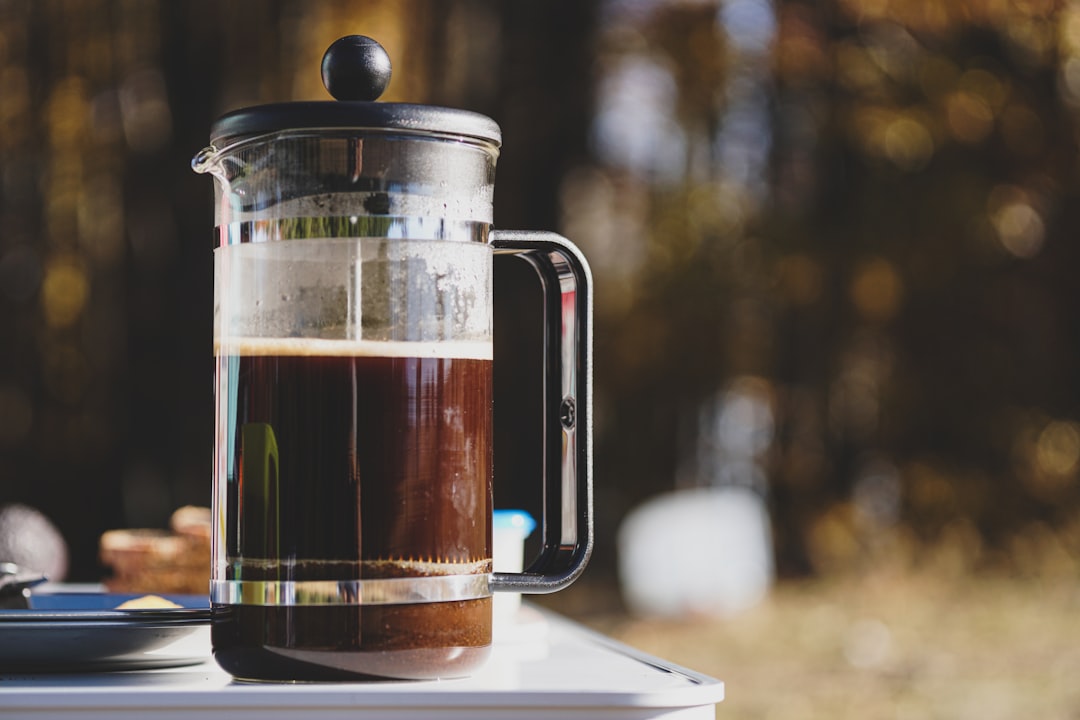
The French press is often called a simple brewing method, and mechanically it is, four parts, no filter paper, no complicated pour technique. But that simplicity hides how easy it is to get a muddy, bitter, or weak cup out of it, because every variable is fully in your hands with nothing built into the equipment to correct for a mistake. A pour-over filter catches some of your errors. A French press catches none of them.
Grind size is not optional to get right here
A French press uses a metal mesh filter, not paper, which means fine particles pass through into the final cup no matter what. If you use a grind that is too fine, meant for drip or espresso, you get two problems at once: over-extraction, because fine particles release flavor faster and the press holds contact time constant regardless of grind, and sediment, a gritty layer at the bottom of every cup. The correct grind for a French press is coarse, close to the texture of breadcrumbs or raw sugar, distinctly chunkier than what you would use for a standard drip machine. If your press coffee tastes muddy or bitter and you are confident about your timing, check the grind first. This is the mistake I see most often in home setups, people using a grind meant for their drip machine in a press because they only own one setting on their grinder.
The ratio that actually works
A common starting ratio is one part coffee to fifteen parts water by weight, which for a standard press making around four cups works out to roughly two ounces of coffee to thirty ounces of water, though press sizes vary enough that weighing is more reliable than translating that into cups. If that comes out too strong or too weak for your taste, adjust the ratio itself rather than changing the steep time, since steep time and grind size are doing separate jobs and stretching one to compensate for the other tends to introduce more bitterness rather than fixing strength.
- Grind: coarse, like breadcrumbs
- Ratio: roughly 1 to 15, coffee to water by weight
- Water temperature: just off the boil, around 200F
- Steep time: 4 minutes before plunging
Four minutes, not however long feels right
Set a timer the moment water hits the grounds. Four minutes is the standard steep time for a French press at the temperature and ratio above, and it is long enough for full extraction without tipping into the bitter, over-extracted range that comes from leaving grounds in contact with hot water too long. I stir the grounds gently once, about a minute in, breaking up the crust that forms on top and making sure all the grounds are actually submerged rather than floating dry on the surface, which would mean uneven extraction across the batch.
Plunge slowly, and do not leave coffee sitting on the grounds
Press the plunger down slowly and steadily, not in a single hard push, which can force fine particles through the mesh and stir up sediment that had settled. Once the plunge is complete, pour the coffee out of the press immediately rather than leaving it to sit with the grounds still in the bottom chamber. Even after plunging, the mesh filter is in continuous contact with hot coffee sitting directly above wet grounds, and that continues to extract slowly, which is why French press coffee left sitting in the pot for twenty minutes tastes noticeably more bitter than the same batch poured out right away.
The French press does not forgive a wrong grind or a skipped timer the way a drip machine with a paper filter does. Every variable is yours to manage, which is exactly why it rewards getting the routine right.
Preheat the carafe
Glass French press carafes lose heat quickly, and a cold glass vessel pulls warmth out of your water in the first thirty seconds of contact, which can drop your effective brewing temperature more than people expect. Rinse the empty press with hot water, discard that water, then add your grounds and brewing water. This single step keeps the whole four minute steep closer to the intended temperature range rather than drifting down as the glass slowly warms.
Cleaning between uses matters more than it seems
Coffee oils build up on the metal mesh filter over repeated uses, and old, rancid oil residue will taint a fresh batch with a stale, slightly sour edge that has nothing to do with your beans or your technique that day. Disassemble the plunger assembly fully after use, not just a rinse with the mesh still attached, and wash each piece with soap and warm water. A press that only ever gets rinsed under the tap will start producing worse coffee within a couple of weeks, and most people blame the beans before they think to check the filter.
Putting it together
Coarse grind, a ratio around one to fifteen measured by weight, water just off the boil, four minutes with one gentle stir at the one minute mark, a slow full plunge, and an immediate pour. Once those five things are consistent, a French press produces one of the fuller, more textured cups available from any home method, and the variability that gives the press its bad reputation mostly disappears.