This article may contain affiliate links. If you buy through them, Living Beautifully Daily may earn a small commission at no extra cost to you. Learn more.
I hung a favorite wool sweater on a wooden hanger for an entire off season once, thinking a hanger was simply what closets were for. When I took it down, the shoulders had two distinct points where the fabric had stretched and sagged, permanently shaped by the hanger’s corners. Knitwear does not belong on a hanger, and that single mistake taught me more about garment storage than any label ever did.
Why hanging stretches a knit and folding does not
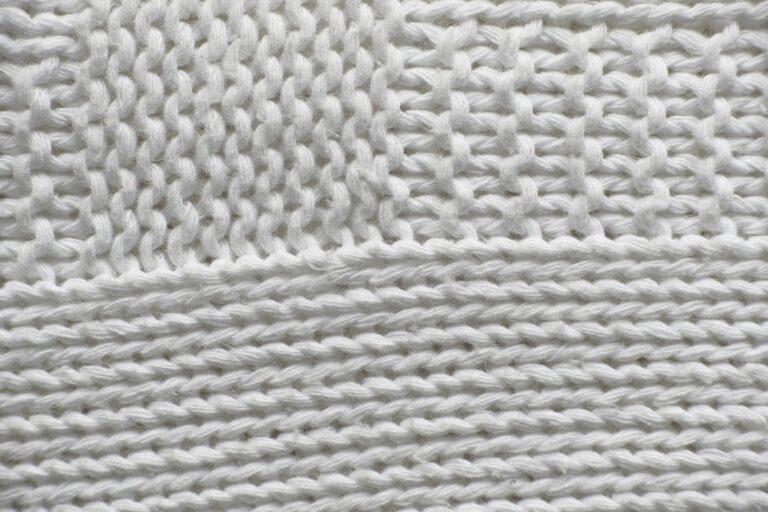
A woven fabric, like a cotton shirt, has a tight, stable structure that resists gravity fairly well over the length of a hanger. A knit fabric is built from interlocking loops, and that loop structure has much more give than a weave. Hang a heavy wool sweater for even a few weeks and gravity pulls those loops downward, elongating the shoulders, the neckline, and the body of the garment. The stretch is not always obvious right away, but it does not reverse itself once it happens.
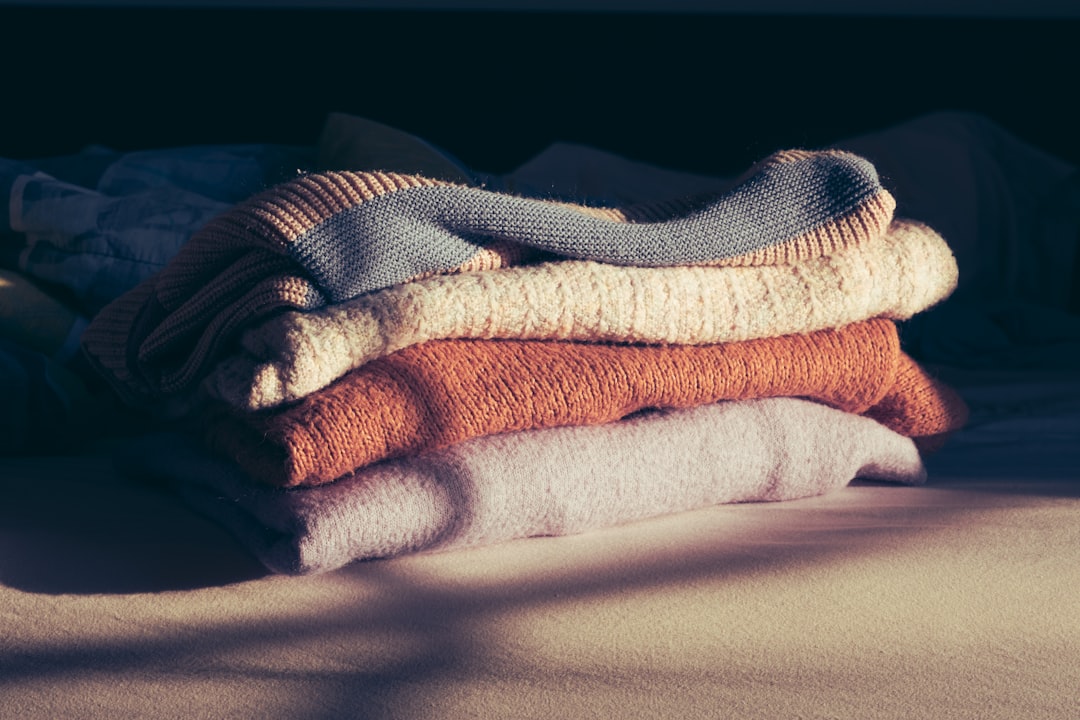
Folding distributes the garment’s weight across a flat surface instead of concentrating it at two shoulder points, so there is no sustained pull working against the knit structure. This is the single biggest habit change that protects sweaters, and it costs nothing beyond a little drawer or shelf space.
How to fold a sweater so the fold itself does not leave a crease that sets in
Lay the sweater flat, face down. Fold each sleeve in toward the center of the back so it lies flat against the body of the sweater rather than hanging off the side. Then fold the bottom third up and, for storage in a drawer, fold the top third down to meet it, or roll from the bottom for shelf storage, which distributes stress more evenly than a single hard fold line. A sweater folded the same way every time develops a crease along that exact line, so alternating between a few different fold points, when you have the space to store it flat rather than stacked, keeps any one crease from becoming permanent.
Cedar over mothballs, and why the difference matters
Wool fiber is a natural food source for clothing moth larvae, which is the actual threat behind moth damage, not adult moths themselves, since adult moths do not eat fabric at all. Mothballs work by fumigating with a chemical that repels or kills the larvae, but they leave a strong chemical odor embedded in the fabric that can take multiple washes to fully clear, and that odor transfers to fibers stored nearby.
Cedar works differently. The oil in cedar wood is a natural deterrent that discourages larvae from settling on the fabric in the first place, without saturating the fiber in chemical residue. Cedar blocks and rings lose potency as the oil evaporates from the wood surface, so they need light sanding every few months to expose fresh oil, which is easy to forget but is the entire mechanism the deterrent depends on. A cedar block that has not been sanded in a year is providing very little protection, even though it still looks and smells like cedar on the shelf.
Clean before you store, every time
Moth larvae are drawn specifically to the residue left behind on worn fabric, including body oils, food residue, and sweat, not to clean wool itself. A sweater put away dirty is a much more attractive target than one that has been properly cleaned first, which is why a season-ending wash or dry clean before storage matters more than any repellent you add afterward. Skipping this step and relying on cedar or mothballs alone to protect an unwashed garment is treating a symptom while ignoring the actual attractant.
Every wool garment I have ever found with moth damage had one thing in common. It went into storage unwashed. The repellent gets blamed, but the residue is what invited the problem in.
Airtight is not the same as breathable, and knitwear needs breathable
Sealed plastic bags feel protective, but trapped moisture inside an airtight bag over a long storage period can encourage mildew, especially if the garment was not completely dry when it was sealed away. A breathable storage option, like a cotton garment bag or a lidded box that is not fully sealed, allows air to circulate while still keeping dust and light away from the fibers. Vacuum-sealed bags in particular compress the fabric under pressure for months at a time, which can crush and flatten a knit’s loop structure in ways that do not fully spring back once the bag is opened.
The short version
Fold instead of hang, alternate fold lines when you can, wash or clean before the garment goes into storage, use cedar and refresh it by sanding rather than relying on chemical mothballs, and store in something breathable rather than airtight plastic. None of this takes special equipment. It takes remembering that a knit sweater is a different structure than a woven shirt, and it needs to be treated that way from the moment the season ends.