This article may contain affiliate links. If you buy through them, Living Beautifully Daily may earn a small commission at no extra cost to you. Learn more.
I get asked about bitter coffee more than almost anything else, and nearly every time the answer disappoints people, because it is not the exciting answer. It is rarely the beans. It is water temperature, grind size, or how long the grounds sit in contact with water, and usually it is two of those three at once.
Water that is too hot pulls out the wrong compounds
Coffee extraction happens in a rough order. The pleasant acids and sugars come out first, and the bitter compounds come out last, as the water works deeper into the grounds. Water that is too hot speeds up that whole process and drags the bitter compounds out faster than they should arrive. Boiling water straight off the stove, at a full rolling boil, is too hot for almost every brew method. I let a kettle sit off the heat for thirty to forty-five seconds after it boils before I pour, which brings it down into a range that extracts sweetness without scorching the grounds. If you have a gooseneck kettle with a thermometer, aim for somewhere in the middle of the range your method’s instructions give you, not the top of it.
Grind size has to match contact time
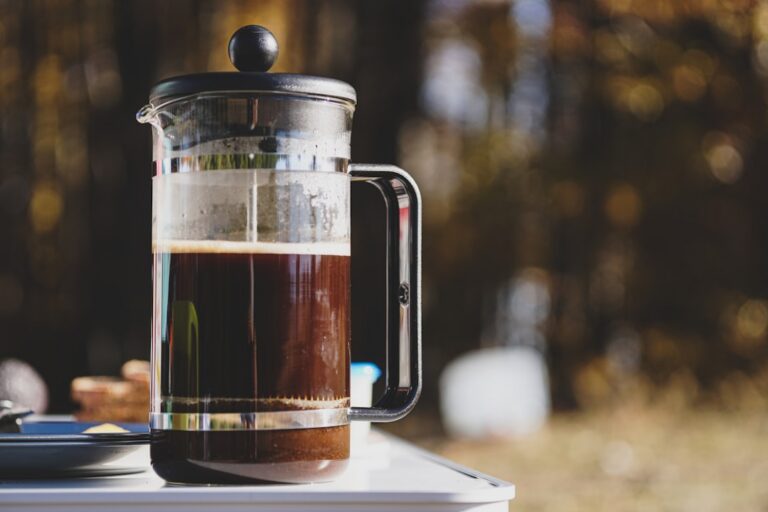
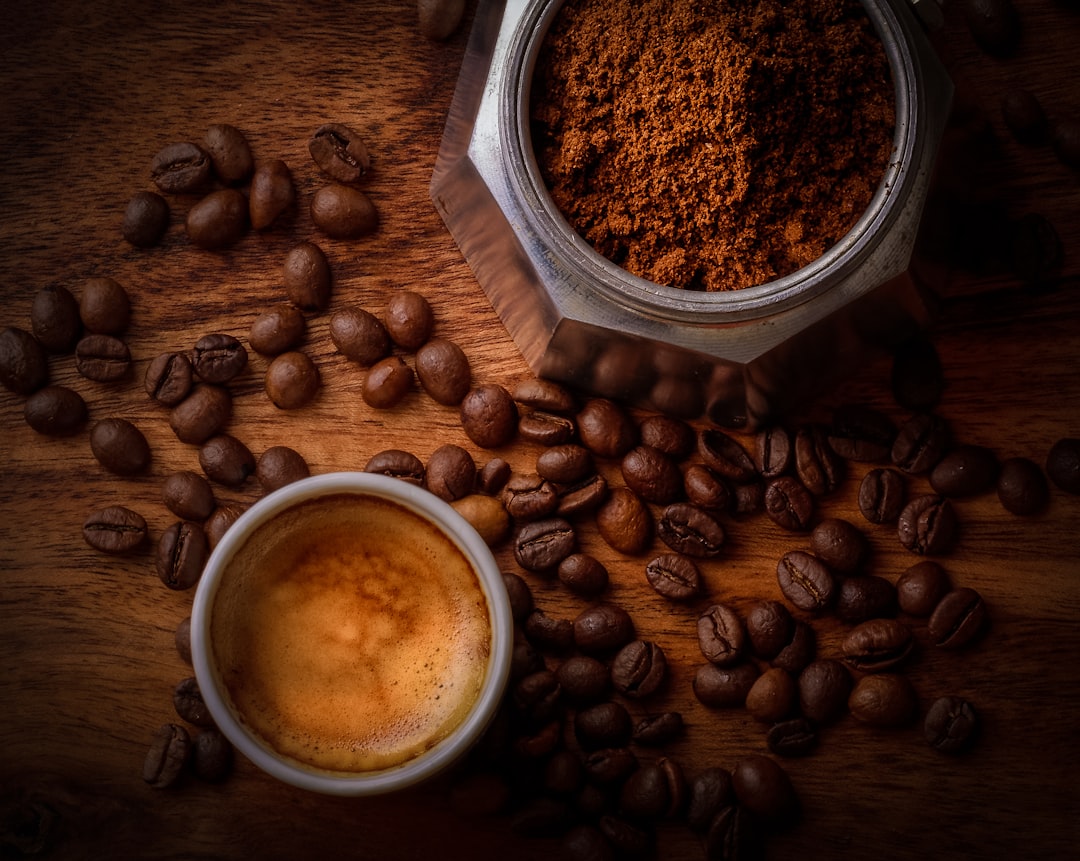
This is the part people skip. A drip method or pour-over has water moving through the grounds for a few minutes, so it needs a medium grind, similar in texture to coarse sand. An espresso machine forces water through in under thirty seconds under pressure, so it needs a much finer grind to get enough extraction in that short window. A French press holds water in contact with grounds for four minutes with no filter paper to slow things down, so it needs a coarse grind, closer to breadcrumbs, or the fine particles over-extract and turn the whole cup bitter and muddy.
If you use a grind that is too fine for your method, water spends longer than it should pulling flavor out of each particle, and you end up over-extracting even at the correct temperature. This is the single most common mistake I see in home setups, more than bean quality, more than water temperature.
- Pour-over or drip: medium grind, like coarse sand
- French press: coarse grind, like breadcrumbs
- Espresso: fine grind, like table salt
- Cold brew: extra coarse, coarser than a French press
Contact time you can control even with the wrong grinder
Not everyone owns a burr grinder that gives consistent results, and a blade grinder produces a mix of fine dust and larger chunks no matter what setting you use. If that is what you have, the fix is contact time rather than grind precision. Pull a French press plunger down a minute earlier than the instructions say. Stop a pour-over pour a little before the grounds are fully wetted through if the cup keeps coming out harsh. You are compensating for inconsistent particle size by giving the fine dust less time to over-extract before you stop the process.
The ratio matters more than most people think
A ratio that uses too little water for the amount of coffee forces more extraction out of each ground to reach the strength you want, and that pushes further into bitter territory. I measure by weight, not by scoops, because a scoop of finely ground coffee weighs more than a scoop of coarsely ground coffee, which throws the ratio off before you have even started. A standard starting point is somewhere around sixteen parts water to one part coffee by weight, adjusted from there to taste. A kitchen scale that does tenths of an ounce is worth the counter space if you drink coffee daily.
Bitterness is not a flavor a bean has. It is a flavor a process creates when water spends too long, or gets too hot, pulling more out of the grounds than it should.
Rinse your filter paper
Paper filters, especially the cheaper bleached kind, carry a papery taste of their own that can read as bitterness or flatness in a light-bodied brew. Running hot water through the filter before you add grounds, then discarding that water, removes the paper taste and also preheats your brewing vessel so the water does not lose heat the moment it touches cold ceramic or glass. This step takes fifteen seconds and it is one of the more noticeable improvements for very little effort.
Old grounds and stale beans behave differently than fresh ones
Beans that have oxidized past their peak do not simply taste weaker, they can taste flat and sharp at the same time, which people often describe as bitterness even though it is closer to staleness. Whole beans hold their flavor for a few weeks after roasting if kept in an airtight container away from light and heat. Once ground, that window shrinks to under an hour before the aroma compounds start breaking down. If your coffee tastes off in a way that adjusting temperature and grind does not fix, the bag has likely been open too long, or the beans were pre-ground before you bought them and have been losing character in the bag ever since.
Work through it in order
Start with water temperature, since it is the easiest to test and correct. Then check whether your grind matches your method. Then check your ratio by weight instead of guessing with a scoop. Only after all three of those are dialed in is it worth blaming the beans, and by then, most of the time, the bitterness has already gone.