This article may contain affiliate links. If you buy through them, Living Beautifully Daily may earn a small commission at no extra cost to you. Learn more.
Leather has a reputation for being difficult to maintain, but most of what goes wrong with a leather bag comes down to one thing: it dried out and nobody noticed until it started to crack. Leather is skin, essentially, and like skin it needs a certain amount of natural oil to stay flexible. Strip that away through sun exposure, heat, or just years of no attention, and the fibers stiffen and eventually split. The fix is not complicated, but it does need to happen before the cracking starts, not after.
Clean before you condition
Wipe the bag down first with a dry, soft cloth to remove surface dust, which acts like fine sandpaper against the leather every time the bag brushes against clothing or a chair. For actual dirt or a stain, use a cloth barely dampened with water, not soaked, and work in small circles rather than scrubbing. Leather absorbs water quickly, and a cloth that is too wet can leave a dark water mark that takes weeks to even back out, if it does at all.
For scuffs, particularly on smooth leather, a small amount of leather cleaner made for the purpose works better than household soap. Dish soap and hand soap both contain degreasers that strip the leather’s natural oils along with the dirt, which is the opposite of what you want. Let the bag air dry fully, away from direct heat or sun, before doing anything else to it.
Conditioning is not optional, it is maintenance
Leather conditioner replaces the oils that get pulled out through normal handling, weather, and time. Think of it the way you would think of oiling a wooden cutting board: not a luxury step, just what keeps the material from drying past the point of no return.
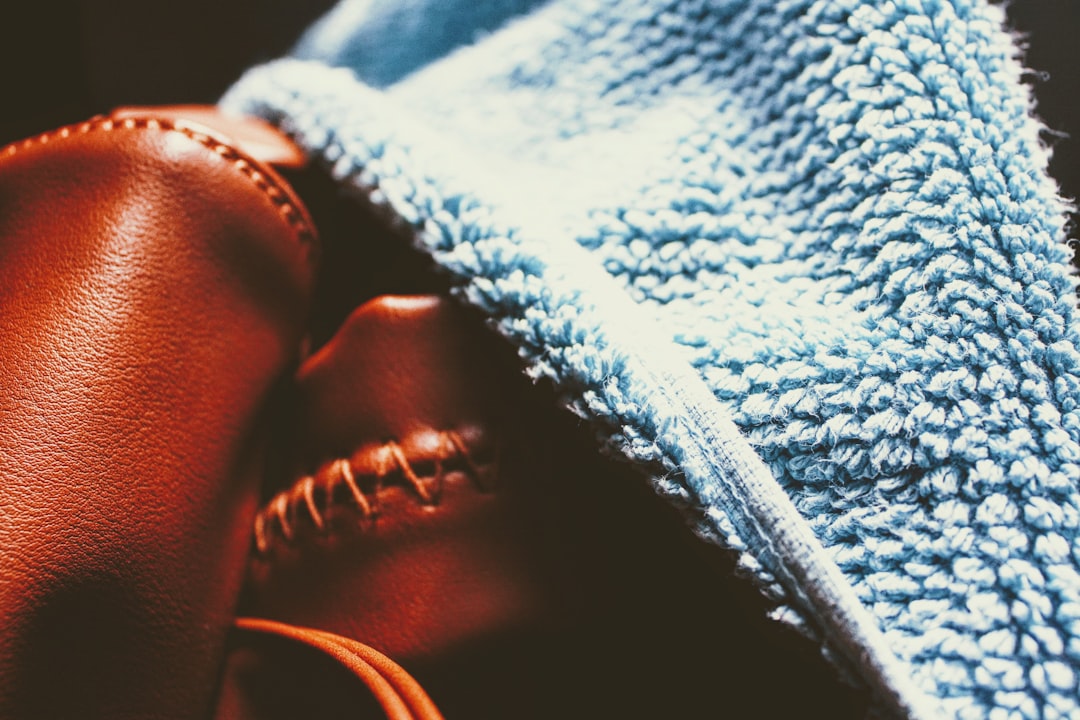
Apply a small amount of conditioner to a soft cloth, not directly onto the bag, and work it in using circular motions over the entire surface, including seams and edges where dryness tends to show first. Let it sit for the time listed on the product, usually ten to twenty minutes, then buff off any residue with a clean, dry cloth. A bag conditioned two to four times a year, more often in dry climates or during winter when indoor heating pulls moisture from the air, rarely reaches the point of visible cracking.
Test any new conditioner on a small, hidden spot first, like the underside of a strap or the bottom corner. Some conditioners darken leather noticeably, which is fine if you want that look and a problem if you do not.
Water and rain
A little rain will not ruin a leather bag, but it should not be left to air dry on its own near a radiator or in direct sun, both of which pull moisture out too fast and leave the leather stiff. Blot excess water immediately with a dry cloth, stuff the bag loosely with a towel or paper to help it hold its shape while drying, and let it dry at room temperature away from any heat source. Once fully dry, condition it, since even a light soaking pulls some natural oil out along with the water.
Storage between uses
Store a leather bag stuffed lightly with tissue paper or a soft cloth to help it hold its shape, not packed tightly, which can stretch the leather, and not left completely empty, which lets it collapse and crease. Keep it in a breathable dust bag rather than sealed plastic. Plastic traps humidity against the leather, which over time invites mold, especially in damp climates or basements.
Avoid stacking heavy items on top of a stored bag, and keep it out of direct sunlight even in storage. Sun exposure fades and dries leather faster than almost anything else it encounters, which is why a bag kept on a shelf near a window often shows more wear on one side than the other.
Handling small cracks and scratches
A light surface scratch on smooth leather often buffs out on its own with a bit of conditioner worked in and left to sit, since the oil softens the top layer enough for the scratch to blend back in. Deeper scratches that have broken through the surface color usually need a color-matched leather balm or touch-up cream, applied sparingly and built up in thin layers rather than one heavy coat.
A crack, as opposed to a scratch, means the fibers have actually split, and conditioner alone will soften the leather around it but will not close the gap. Small cracks at a fold or corner can sometimes be treated with a flexible leather filler, applied by hand and blended with a matching edge paint, though this is a repair that rewards patience and a steady hand more than speed.
When to hand it to a leather repair specialist
A broken strap, a torn seam, a zipper pull that has come away from the leather, or cracking across a load-bearing area like a handle attachment point are all worth taking to a cobbler or leather repair shop rather than fixing at home. These are structural failures, not cosmetic ones, and a bag that fails at a stress point while in use is a bigger loss than the cost of a proper repair. Many cobblers can also recondition and recolor leather that has faded unevenly, restoring a bag that looks tired back to something worth carrying again.
Leather that is cared for consistently develops a patina, a gradual darkening and softening that most people consider the whole point of choosing leather in the first place. Neglected leather does not age, it just deteriorates. The difference between the two comes down entirely to whether it gets cleaned, conditioned, and kept out of the sun on a regular basis.