This article may contain affiliate links. If you buy through them, Living Beautifully Daily may earn a small commission at no extra cost to you. Learn more.
For a long time I treated ironing as the chore you get to if you get to it, something tacked onto the end of laundry day whenever a shirt looked bad enough to need it. It was only after ruining a linen dress by ironing it bone dry, and then rescuing a similar one a week later by catching it at the right moment, that I understood ironing is not a finishing touch you can bolt on whenever. It is a step with a correct place in the sequence, and moving it out of place is why so many people find ironing frustrating and inconsistent.
The mistake: treating dryness as neutral
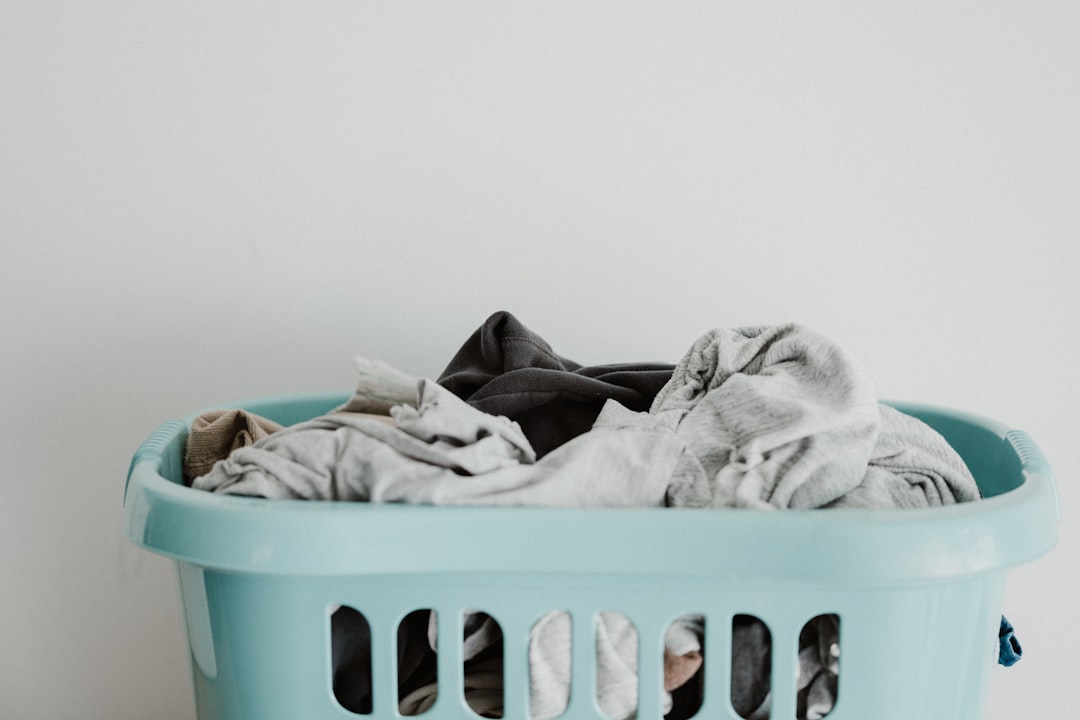
Most people let laundry dry completely, let it sit in a basket or on a hanger for a day or more, and then iron it whenever they get around to it. By that point the fabric has fully relaxed into its wrinkled state and the fibers have gone bone dry, which means the iron is being asked to do all the work of reintroducing moisture and heat from nothing. That is why fully dry ironing takes longer, requires more pressure, and still leaves stubborn creases along seams and cuffs.
Fabric fibers respond to moisture and heat together. A dry fiber resists reshaping. A slightly damp fiber, warmed by an iron, relaxes and holds a new shape as it cools. The moisture is doing real mechanical work, not just helping the iron glide.
Why the timing actually matters
The right moment to iron most cotton and linen is when the fabric is still slightly damp, not soaking, but not fully dry either. This is why a spritz bottle exists, and why older instructions often called for ironing straight off the line before the last of the moisture had evaporated. If a garment has already dried completely, misting it lightly and letting it sit inside a rolled towel for ten minutes before ironing gets you most of the way back to that state.
Synthetic blends behave differently and are the exception worth knowing. Because synthetic fibers are heat-set during manufacturing, they respond primarily to heat rather than moisture, and over-wetting them before ironing can actually cause puckering. For synthetics, a dry iron on a lower setting, moved steadily rather than pressed hard, does more good than a damp cloth.
The mistake: ironing in the wrong order
The second error is ironing in whatever order the clothes come out of the basket, rather than by fabric and heat requirement. Starting with a garment that needs a hot setting and working down to one that needs a cool setting means constantly waiting for the iron to cool, or risking scorching a delicate fabric because the plate is still too hot from the last item. Starting cool and working up to hot, meaning silk and synthetics first, then cotton, then linen last, means the iron is always at or below the temperature the current fabric needs, and you are never waiting.
The mistake: ironing over a dirty or dry board cover
A board cover that has absorbed months of starch residue and mineral deposits from tap water in the iron will transfer both back onto clean fabric, sometimes as a faint scorched-looking mark that looks like iron damage but is really residue. Wiping the cover down occasionally and using distilled or filtered water in the iron, rather than straight tap water, prevents the mineral buildup that causes spitting and staining in the first place.
What the corrected sequence looks like
Sort by fabric and heat setting before starting, coolest first. Iron cotton and linen while they still hold a little moisture from the wash, either straight off the line or revived with a light mist and a short rest under a towel. Keep synthetics dry and use a lower, steadier pass rather than pressing hard. Iron on the reverse side for anything with sheen, dark color, or delicate trim, since direct heat on the right side can flatten texture and create shine marks that do not come out.
None of this takes more time than ironing badly does. It takes the same amount of time, arranged in an order that lets the moisture and heat actually do the reshaping work, rather than asking the iron to fight a fabric that has already settled into its wrinkles. The difference shows immediately, in how much pressure you need and how long the result lasts before it creases again.