This article may contain affiliate links. If you buy through them, Living Beautifully Daily may earn a small commission at no extra cost to you. Learn more.
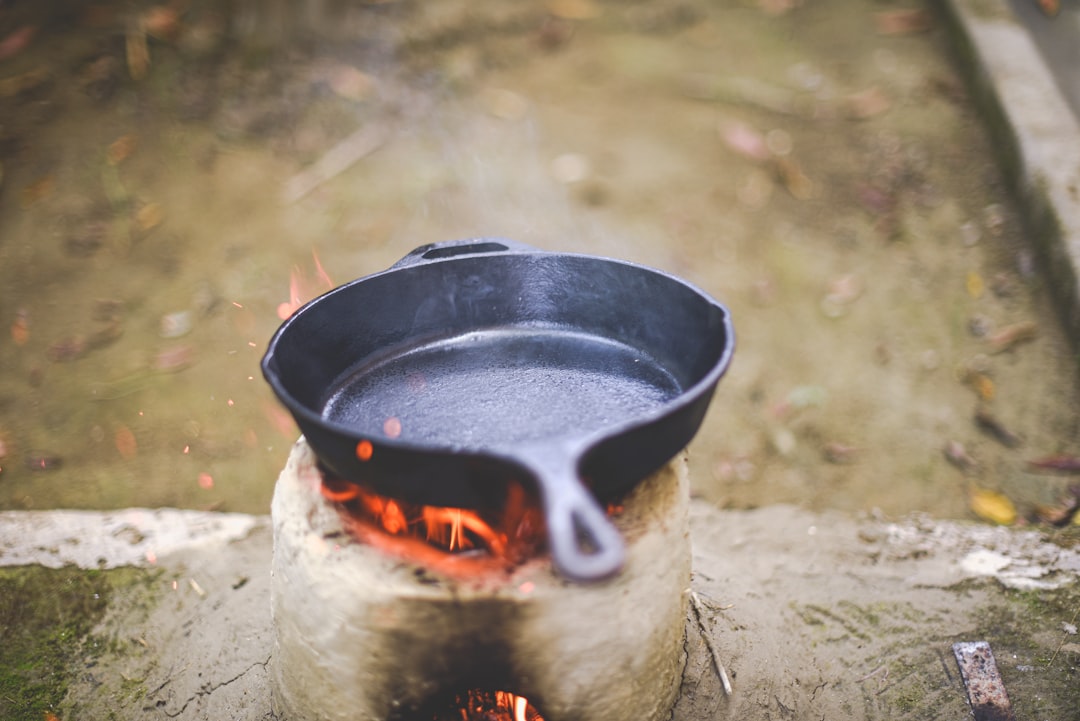
Every cast iron pan seems to come with an oral tradition attached to it, usually passed down with total confidence and almost no explanation. Never use soap. Never let it touch water. Never cook tomatoes in it. Wipe it, do not wash it. I followed every one of these rules for years out of respect for a pan that had outlasted three of my other pots, and then I started asking why, and the answers did not hold up as well as the pan itself.
The soap myth
The rule against soap comes from a real fact stretched into a superstition. Old-fashioned lye-based soaps really could strip seasoning, because they were harsh enough to break down fat and oil aggressively. Modern dish soap is a mild surfactant designed to lift food residue, not to dissolve polymerized oil bonded to iron at a molecular level, which is what seasoning actually is. A quick wash with dish soap and a sponge will not undo seasoning that has been built up over repeated cooking and oiling.
Seasoning is polymerized fat, chemically bonded to the metal through heat. It is closer to a thin layer of plastic than to a coat of grease sitting on the surface. A drop of soap and a soft sponge are not equipped to remove that.
What does damage seasoning is steel wool, harsh abrasive scrubbing, or a long soak, none of which have anything to do with soap itself.
The water myth
The fear of water is really a fear of rust, and rust is a legitimate risk for cast iron. But the actual cause of rust is water sitting on bare or thinly seasoned iron for an extended period, not a thirty-second rinse. Wash the pan, dry it immediately and completely, ideally with a few minutes on low heat on the stove to drive off any residual moisture, and rust is not a concern. The rule people actually need is dry it fully, not avoid water.
The acid myth
Tomato sauce, wine, vinegar, and citrus get treated as forbidden in cast iron, and there is a kernel of truth here too. Acidic ingredients can react with iron, pulling a small amount of metal into the food, which can affect taste and, over long simmers on thinly seasoned pans, gradually erode the seasoning layer. But a well-seasoned pan, built up over normal use, tolerates a reasonably short simmer of a tomato-based sauce without meaningful damage. The people who ruin a pan with tomato sauce are usually doing it on a pan that was underseasoned to begin with, or simmering acidic food in it for hours at a stretch, not making a twenty-minute weeknight sauce.
What actually damages a cast iron pan
The real threats are not the ones with the most folklore attached to them. Letting the pan sit wet is the biggest one. Scouring with steel wool or an abrasive pad strips seasoning down to bare metal. Storing it in a damp basement or garage invites rust regardless of how it was cleaned. And putting a hot pan directly into cold water can, in rare cases, cause it to warp or even crack from thermal shock, which is a far more serious risk than a bit of dish soap.
How I actually treat mine
I wash it with warm water and a small amount of dish soap when food is stuck on, using a stiff brush rather than steel wool. I dry it on the stove over low heat for two or three minutes until every trace of moisture is gone, then wipe a thin film of neutral oil across the surface with a paper towel while it is still warm. I do cook acidic sauces in it, just not for hours unattended. And I do not treat it like an heirloom that will shatter if I look at it wrong, because iron that has survived a century of use in other people’s kitchens is sturdier than the rules around it suggest.
The pan is forgiving. The mythology around it is not. Understanding which parts of the folklore are protecting the seasoning and which parts are just habit passed down without examination makes the pan far more useful, and far less intimidating, than the warnings make it sound.