This article may contain affiliate links. If you buy through them, Living Beautifully Daily may earn a small commission at no extra cost to you. Learn more.
I grew up believing that a kettle of boiling water fixed everything. Greasy pan, boiling water. Dirty floor, the hottest bucket I could stand. It took years of actually paying attention to what was happening in the sink for me to notice that the water temperature was rarely the thing doing the work. The soap was. My own hand was. The water was mostly there to carry both.
This matters because the belief that hot water is inherently more sanitizing or more cleansing leads people to scald their hands, warp wood, shrink fabric, and set stains they could have lifted easily if they had just used the right temperature for the job in front of them.
Where the idea comes from
Heat does help in specific, narrow ways. It lowers the viscosity of grease and fat, which is why hot water helps rinse a buttery pan faster than cold. It can help dissolve certain detergents more fully. And near-boiling water does kill many pathogens, which is where the general idea that hot equals clean took root.
But most of what we call cleaning at home is not disinfection. It is the physical removal of soil, and that job belongs to the detergent’s surfactants and to mechanical action, meaning scrubbing, agitation, or the tumble of a washing machine. Surfactant molecules work by attaching one end to grease and dirt and the other end to water, so the mess can be carried away. That chemistry functions across a wide temperature range. Cold water detergents are formulated specifically to activate without heat.
Where hot water actively works against you
The clearest example is protein and blood. Egg, dairy, and blood stains contain proteins that coagulate and bind to fabric fibers when they hit heat, which is the same reason you cook an egg white solid in a hot pan. Wash a shirt with an egg stain in hot water and you are, in effect, cooking the stain into the weave.
Cold water is the correct first response to protein-based stains, always. Rinse or soak in cold, then treat, then wash. If you reach for hot water on instinct here, you convert a removable stain into a permanent one.
Wine and fruit stains behave similarly. Heat sets the tannins and pigments before you have a chance to lift them. And on wool or any protein-based fiber, hot water plus agitation is exactly the combination that causes felting and shrinkage, because the heat opens the fiber’s scales and the agitation locks them together in a tangle that cannot be undone.
Where hot water genuinely helps
None of this means cold water is always correct either. Heavily soiled kitchen linens, cutting boards that have touched raw meat, and anything you want meaningfully sanitized do benefit from hot water, generally 130 degrees Fahrenheit or above for real pathogen reduction, which is hotter than most household taps run by default. For those loads, hot water is not a nice-to-have. It is the mechanism.
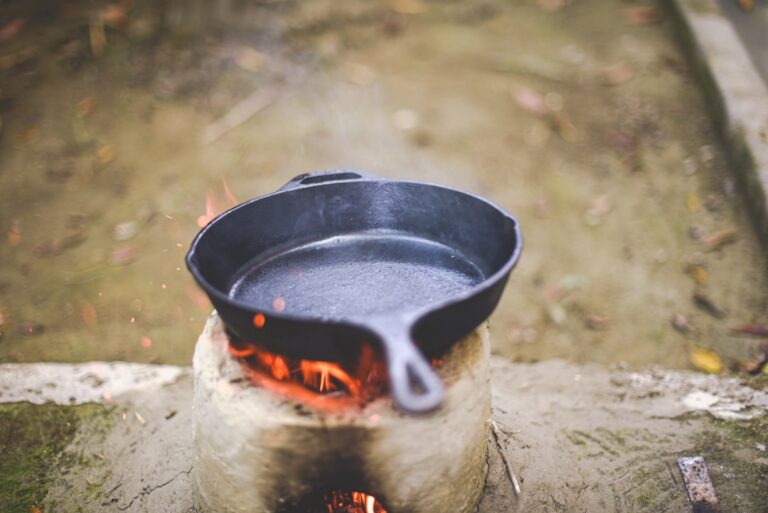
Grease on cookware is the other clear case. Cold water lets fat re-solidify against the surface, which is why a cold-rinsed pan can feel tacky no matter how much you scrub. Hot water keeps the fat liquid long enough for the detergent to emulsify it and carry it off.
The actual rule of thumb
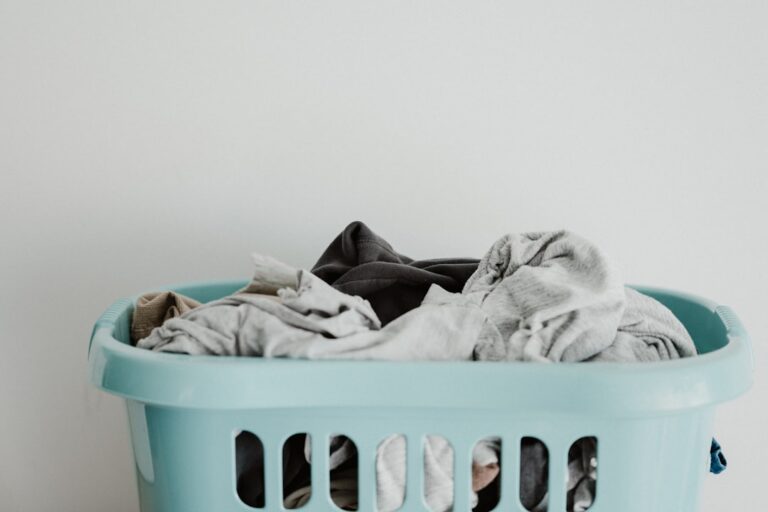
The decision is not hot versus cold as a general philosophy. It is: what is the soil, and what is the fiber or surface. Protein, blood, wine, and delicate or wool fibers want cold. Grease, heavily soiled kitchen items, and anything needing real sanitizing wants hot. Everyday laundry with modern detergent, which is formulated to perform in cold water, does not need heat at all, and washing it cold saves the fabric’s color and structure over time.
What I actually do now
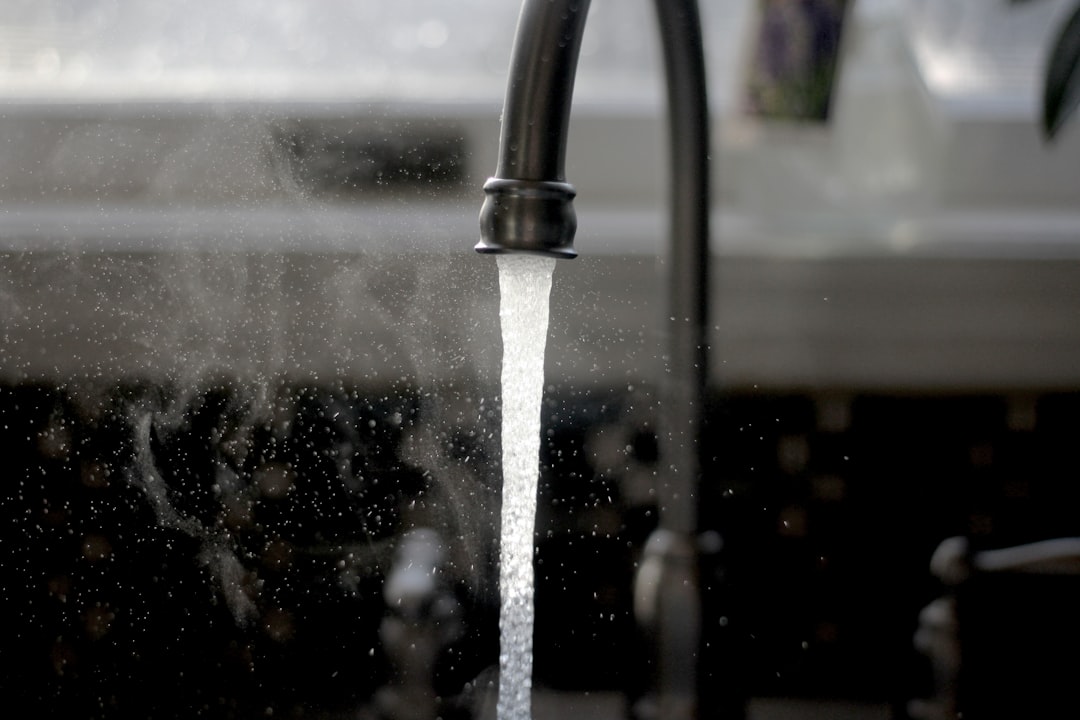
In the kitchen, I keep the tap running warm for dishes with fat on them and switch to cold the moment I am dealing with anything egg or dairy based, which in practice means most breakfast dishes get a cold rinse first. For laundry, cold is my default setting, and I reserve hot only for towels, sheets, and anything I actually want sanitized rather than merely cleaned.
The habit that changed things for me was pausing for one second before turning the tap, and asking what is actually on this surface, rather than reaching for hot water as a reflex. It is a small adjustment, but it is the difference between a stain that lifts in one wash and one that never comes out again.