This article may contain affiliate links. If you buy through them, Living Beautifully Daily may earn a small commission at no extra cost to you. Learn more.
Most houses have more than one type of flooring, and most people clean all of it with the same mop, the same amount of water, and the same cleaner, moving from the kitchen tile to the hallway wood without changing anything about the process. I did this for years without thinking about it, and it took a noticeably dulled patch near my kitchen doorway, right where wood meets tile, before I looked into why that section looked worse than the rest of the floor despite getting cleaned the same amount.
Wood wants almost no water at all
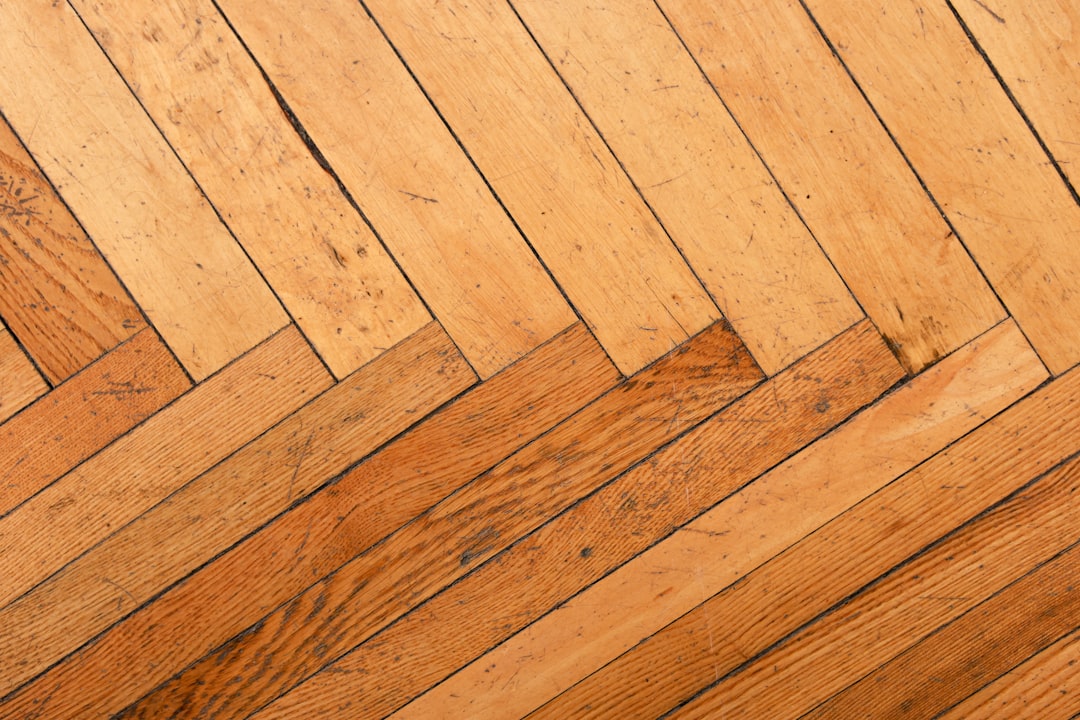
Sealed hardwood is more water-sensitive than people assume, because the seal that protects it is a thin surface layer, and standing water, or even a heavily wet mop, can work into the seams between boards over time, causing warping or a cloudy look in the finish. The right approach is a well-wrung microfiber mop, damp rather than wet, moving with the grain of the wood rather than across it. If you can wring more than a few drops out of the mop head before you start, it is too wet for wood.
Cleaner matters too. A cleaner made specifically for sealed wood, used sparingly, is worth the extra step compared to an all-purpose spray, since wood finishes vary and some all-purpose cleaners leave a slight film that dulls the shine over repeated use, building up in a way that is hard to notice week to week but obvious after a few months.
Tile can take real water, but grout is the actual weak point
Ceramic and porcelain tile itself is durable and largely indifferent to water, which is part of why tile shows up in kitchens and bathrooms. The vulnerability is the grout between tiles, which is porous, absorbs moisture and cleaner residue, and darkens or stains over time if it is mopped with dirty water pushed around rather than actually cleaned. A mop bucket that is not changed partway through a large tile floor is effectively spreading dirty water into the grout lines the whole second half of the room.
For tile, more water is fine on the tile surface itself, but grout benefits from an occasional separate pass with a stiff brush and a cleaner suited to grout specifically, not just whatever is in the mop bucket that day.
Natural stone needs the gentlest treatment of the three
Stone floors, marble, travertine, limestone, slate, are the most misunderstood of the common flooring types because they look rugged but are chemically reactive in a way tile is not. Anything acidic etches them, as covered in how vinegar interacts with stone counters, and the same is true underfoot. A stone floor needs a pH-neutral cleaner made for stone, used with a well-wrung mop, and importantly, needs to be resealed periodically, something most people cleaning a stone floor are never told, because the seal is what protects the stone from staining and etching in the first place, and it wears down with regular foot traffic and cleaning over months and years.
A stone floor that has never been resealed is not being protected by anything except its own density, and that runs out eventually, usually showing up first as a dull path exactly where people walk most.
The mop itself should probably be more than one mop
Keeping a single mop head for wood and a separate one for tile and stone is a small change that prevents grit, the biggest enemy of a wood finish, from being dragged across it after being picked up on a tile floor. Grit acts like sandpaper under a mop head, and a mop that just came from a gritty tile floor is not clean going onto wood even if it looks fine.
What a mixed-floor routine actually looks like
In a house with more than one floor type, the sequence matters as much as the tools. I do stone or tile first, since they can handle more water and a firmer pass, then switch mop heads and finish with wood, using the driest pass of the day. Sweeping or vacuuming before mopping any floor matters regardless of material, since grit mopped over rather than lifted first just gets pushed around and reground into the surface by the mop itself.
None of this is about buying more supplies than necessary. It is about recognizing that a floor is not one material just because it is all underfoot, and that the fastest way to wear down an expensive floor is to clean it exactly the same way you clean the cheap one next to it.