This article may contain affiliate links. If you buy through them, Living Beautifully Daily may earn a small commission at no extra cost to you. Learn more.
Someone asked me recently why her new set of kitchen towels felt fine in the store and disappointing at home. She had bought cotton thinking it was the safer, more familiar choice, when what she actually wanted, based on how she described her ideal towel, was linen. This happens constantly because cotton and linen get talked about as though they are two versions of the same thing. They are not. They come from different plants, they are spun and woven differently, and they behave differently in a home in ways that matter for how long something stays useful.
Where each fiber comes from
Cotton comes from the seed pod of the cotton plant, a soft boll of short to medium length fibers. Linen comes from the stalk of the flax plant, and the fibers are long, running the length of the stem, which is part of why linen fabric behaves so differently once it is woven. Longer fibers make a stronger, less fuzzy thread. That single structural fact explains most of the differences you will notice in daily use.
Strength and how it ages
Linen is stronger than cotton, fiber for fiber, and it actually gets softer and more supple with washing rather than breaking down. A linen tablecloth that has been through hundreds of wash cycles is often nicer to the touch than one fresh off the shelf. Cotton, especially lower grade cotton, tends to soften early and then start thinning and pilling as the shorter fibers work loose and break.
This is why a linen table runner or napkin set, even though it costs more up front, is often the better buy if you actually use your table linens regularly rather than saving them for occasions. You are paying for fiber that improves rather than degrades.
Absorbency and why it matters for towels
Cotton is the better absorber, which is exactly why cotton dominates the bath towel and bar mop towel market. The fiber structure holds more water. Linen absorbs less per pass but dries much faster, since it does not hold onto moisture the way cotton does. This is why a linen tea towel used for drying dishes will be ready to use again within the hour, while a cotton one left folded on a hook can stay damp and start to smell if the kitchen is humid.
The honest answer for a kitchen is that you probably want both, used for different jobs. Cotton for the towel that needs to soak up a spill fast. Linen for the towel you use on glassware and dishes where you do not want lint left behind, and for hanging in a spot where quick drying matters more than maximum absorbency.
Reading a label that actually tells you something
Thread count is a cotton metric and it is frequently gamed by manufacturers using multi ply yarns to inflate the number without improving the fabric. It does not translate to linen at all, so ignore it there entirely. For cotton, a mid range thread count in the 300 to 400 range from long staple cotton, meaning cotton with longer individual fibers such as Pima or Egyptian varieties, will outperform a higher numbered thread count made from short staple cotton. Staple length matters more than the number printed on the package.
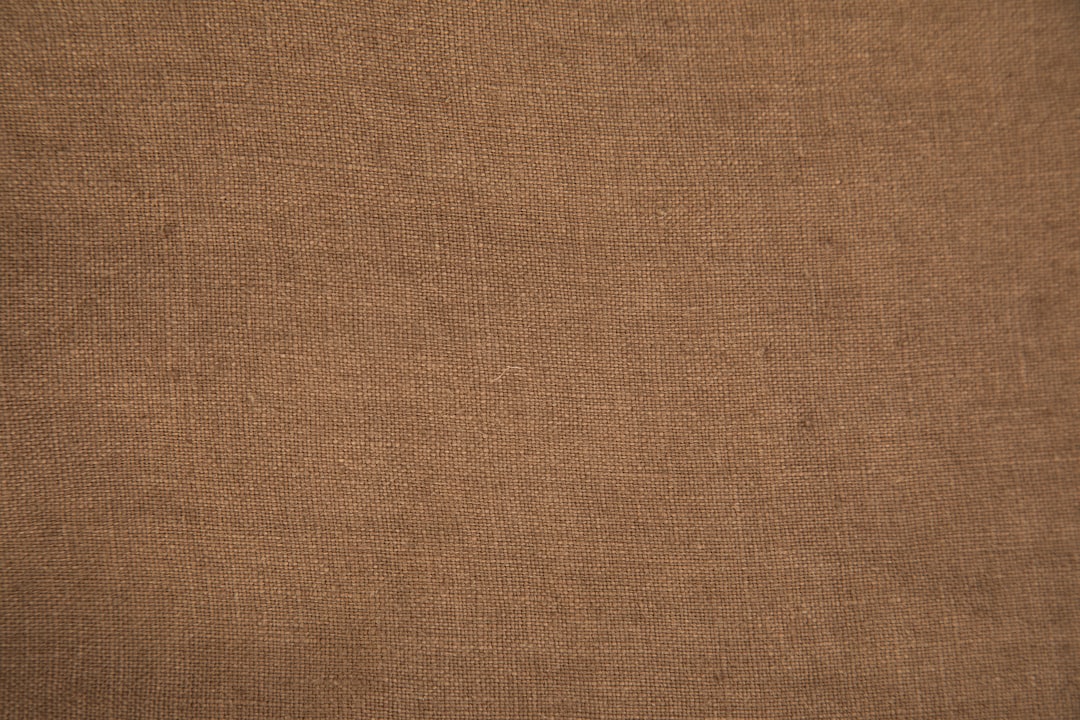
For linen, look for the weight, listed in grams per square meter on better labels, and the finish. A tightly woven, evenly finished linen will have a slight natural sheen and drape with some weight to it. A loosely woven, gauzy linen is not automatically lower quality, it just serves a different purpose, more suited to warm weather clothing than to a tablecloth that needs body.
Blends are not automatically a compromise
A linen cotton blend is sometimes dismissed as splitting the difference badly, but that is not quite fair. A well made blend can combine cotton’s softness and absorbency with linen’s strength and quick drying, and it is often more forgiving to iron than pure linen, which wrinkles by nature. What you want to avoid is a blend that leans heavily synthetic, where polyester is added mainly to cut cost and reduce wrinkling. That trades away the breathability that is the whole reason to choose a natural fiber in the first place.
What I actually check before buying
- Rub the fabric between your fingers, linen has a slightly cool, slightly textured feel even when soft, cotton feels warmer and more uniformly smooth
- Check the fiber content line, not just the marketing copy, for the actual percentage of each material
- For cotton, look for staple length terms like long staple, Pima, or Supima rather than relying on thread count alone
- For linen, look at the weave tightness by holding it up to light, a tighter weave usually signals a sturdier, longer lasting textile
- Consider the job first, drying speed and lint free use point to linen, maximum absorbency points to cotton
Neither fiber is universally better. They are suited to different jobs, and a home that uses both correctly gets more mileage out of each than a home that treats them as interchangeable. Knowing which one you are actually buying, and why, is the difference between a purchase that quietly does its job for years and one that just sits there being fine.