This article may contain affiliate links. If you buy through them, Living Beautifully Daily may earn a small commission at no extra cost to you. Learn more.
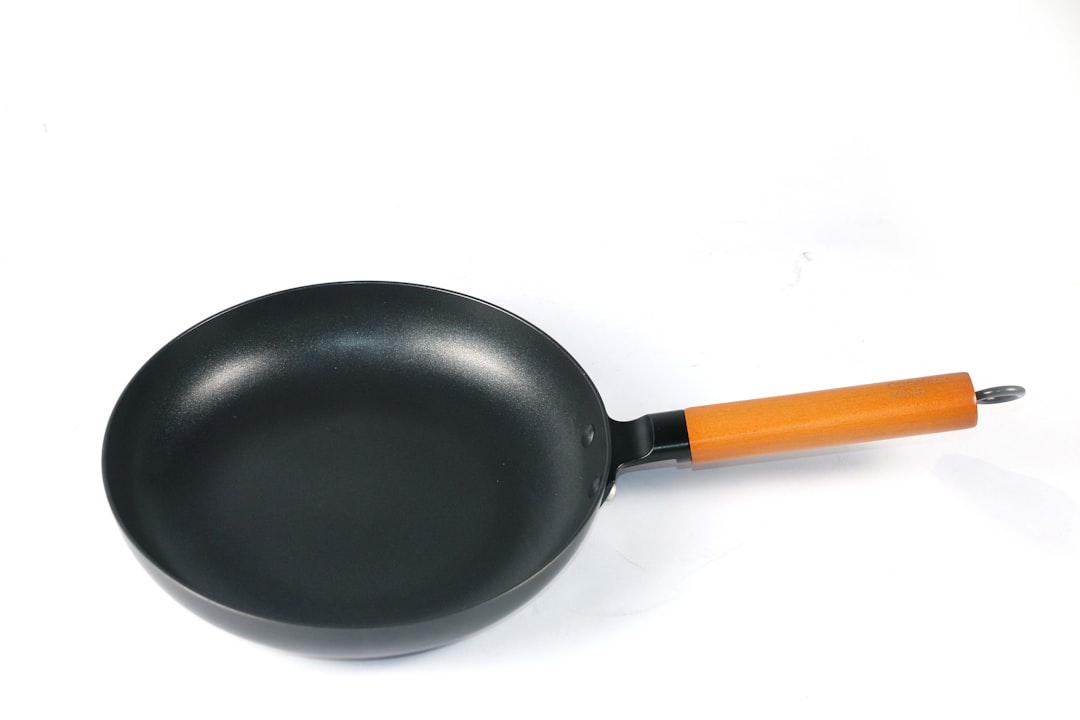
Carbon steel pans get sold next to cast iron and treated like a lighter version of the same tool, so people season them the same way: coat with oil, bake upside down in the oven, repeat. It works reasonably well for cast iron’s rough, porous surface. On carbon steel’s smoother surface, it often produces a seasoning layer that looks good on day one and flakes off in patches within a month.
The difference comes down to surface texture. Cast iron is cast in a mold and comes out with a slightly rough, granular surface that gives baked-on oil something to grip. Carbon steel is rolled, not cast, and its surface is smoother and denser. A thick layer of oil baked on in an oven has less texture to bond to, so it sits on top rather than in the metal, and a layer sitting on top is a layer waiting to chip.
The stovetop method, and why it works better
The traditional way carbon steel pans are seasoned in professional kitchens is on the stovetop, by hand, in thin layers, rather than in one thick oven-baked coat. The process is slower, but it produces a seasoning that is thinner, harder, and more tightly bonded to the metal, which is exactly what you want on a smooth surface.
Start with a pan scrubbed clean of the factory coating, usually a light wax or oil applied for shipping. A scrub with hot water, dish soap, and a stiff brush or fine steel wool removes it. This is the one time using soap on a carbon steel pan is correct. After this, dry the pan completely and set it on the stove over medium-high heat until any remaining moisture evaporates and the metal begins to show faint color changes, usually a light straw tint.
Add a small amount of a high smoke point oil, something like grapeseed or refined sunflower oil, no more than a teaspoon. Using a folded paper towel held with tongs, work the oil across the entire cooking surface by hand, including the sides, in a thin, even layer. The key word is thin. A visible pool or sheen of oil is too much and will not bond, it will just smoke and pool into uneven dark patches.
Heat, wipe, repeat
Once the thin layer is worked in, leave the pan over medium-high heat until it stops smoking, usually a few minutes. Then take it off the heat, let it cool slightly, and wipe it down again with a dry paper towel, removing any excess that has not bonded. Repeat this thin oil, heat, wipe cycle four or five times. Each pass darkens the pan slightly and builds a thin polymerized layer rather than one thick coat.
A seasoning layer built in five thin passes by hand will outlast one thick layer baked once in the oven, because thin layers bond to the metal instead of resting on it.
What ruins it afterward
The most common way a new seasoning layer gets undone is cooking something acidic, tomato sauce, wine reductions, citrus, too soon after seasoning. Acid breaks down a fresh polymerized oil layer before it has had repeated use to harden further. Waiting until the pan has a few weeks of regular cooking, ideally starting with fattier, higher-heat foods like eggs cooked in butter or a seared piece of meat, gives the seasoning time to build resilience before it faces anything acidic.
The second most common mistake is soap, used out of habit long after the initial strip-and-season process. A quick rinse with hot water and a soft brush or sponge, followed by drying the pan on the stove over low heat for a minute to drive off any residual moisture, is enough for regular cleaning. Letting a carbon steel pan air dry, especially in a humid kitchen, is how rust spots start, and rust under a seasoning layer is much harder to deal with than rust on bare metal.
Reading the pan instead of trusting a schedule
A well-seasoned carbon steel pan darkens unevenly at first, lighter near the edges where oil thins out fastest, darker in the center where heat concentrates. This unevenness is normal in the early weeks and smooths out with use, not with more seasoning sessions. Reseasoning too often, out of impatience with an uneven color, actually slows the process, because it interrupts the pan’s own buildup with another thin layer that has to bond from scratch.
The pan tells you what it needs by how food releases from it. Sticking in one spot means that spot needs another light pass of oil worked in by hand and heated. An even, easy release across the whole surface means the seasoning has caught up. Trust that over a fixed number of oven cycles, because the oven method was never really suited to this metal in the first place.